Historical Background.
The origins of Estepona are somewhat unclear, but it seems evident that the Phoenicians turned the area into a trading centre. They gave it the name Astapa, Astabbunna or Alexthebuna, which may have evolved into the name Estepona.
Some historians link Estepona to the Iberian settlement of Salduba (also associated with Marbella), while others mention Cilciana as the origin of the town.
In any case, at the site known as Torreón, a pre-Roman settlement next to the Guadalmansa River, there are ruins that still raise questions about the origins of this first population centre.
What is beyond doubt, however, is the Roman presence and domination. In order to maintain its loyalty to Carthage, the city was besieged by Lucius Marcius and was forced to surrender in 208 BC.
Later, after numerous clashes between Muslims and Christians in the waters off Estepona, Alfonso XI fought a historic battle in 1342, from which he emerged victorious.
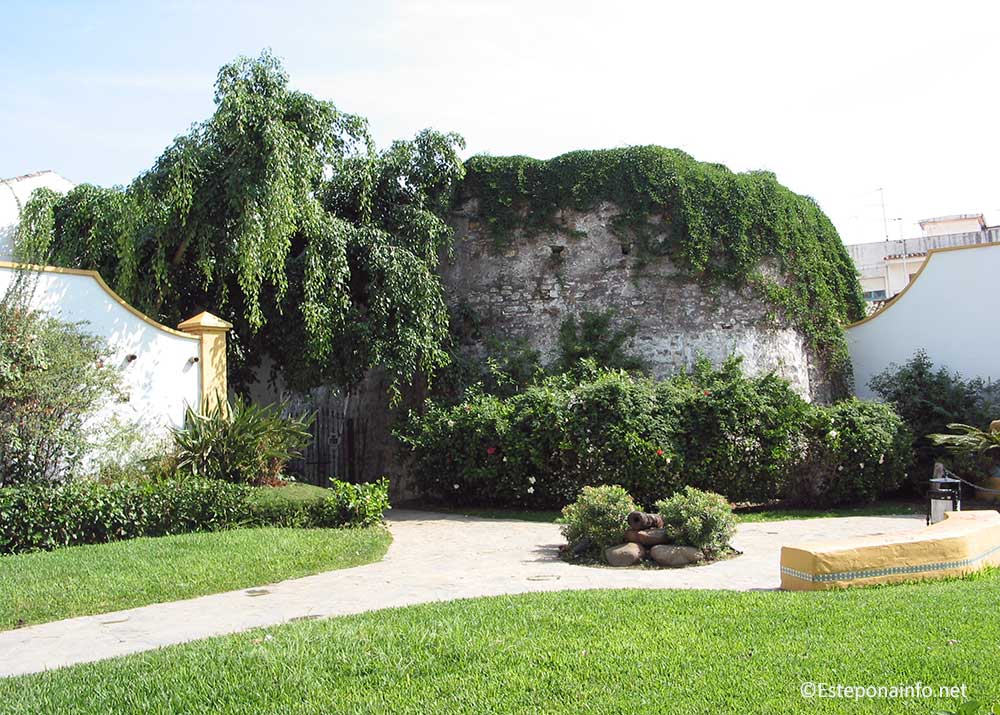
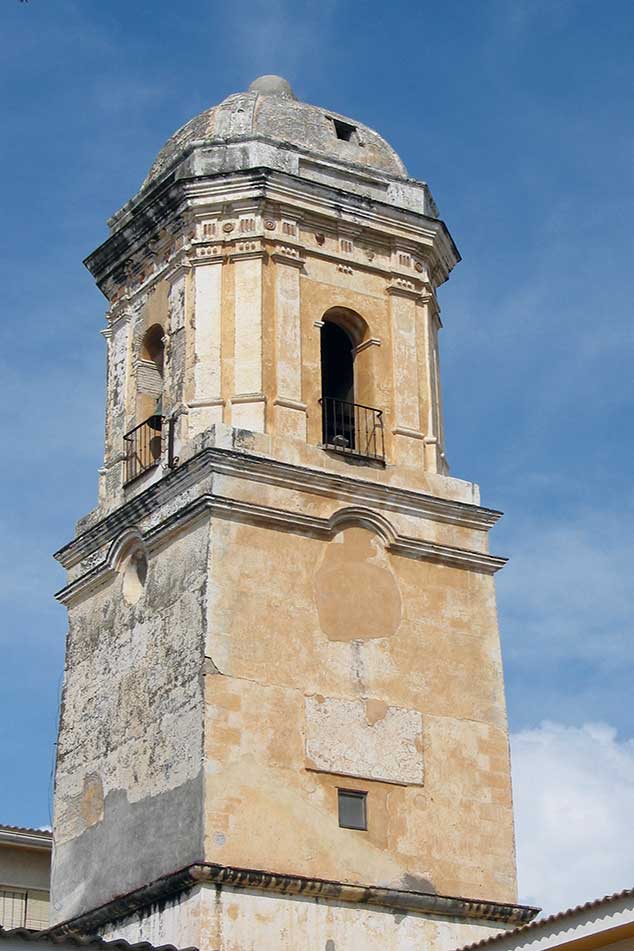
The town was later conquered by Enrique IV, under whose rule the Castillo de San Luis was built. Remains of the castle can still be seen in Calle Castillo in Estepona, near the Clock Tower (Torre del Reloj) and Plaza de las Flores.
Estepona, with around 600 inhabitants, received a royal charter from King Felipe V (1683–1746) granting it the status of an independent town. This document can be found in the municipal archives.
From that time on, Estepona continued to grow until reaching its present-day form.
Photo gallery